
OVERLOOKED TRAUMA
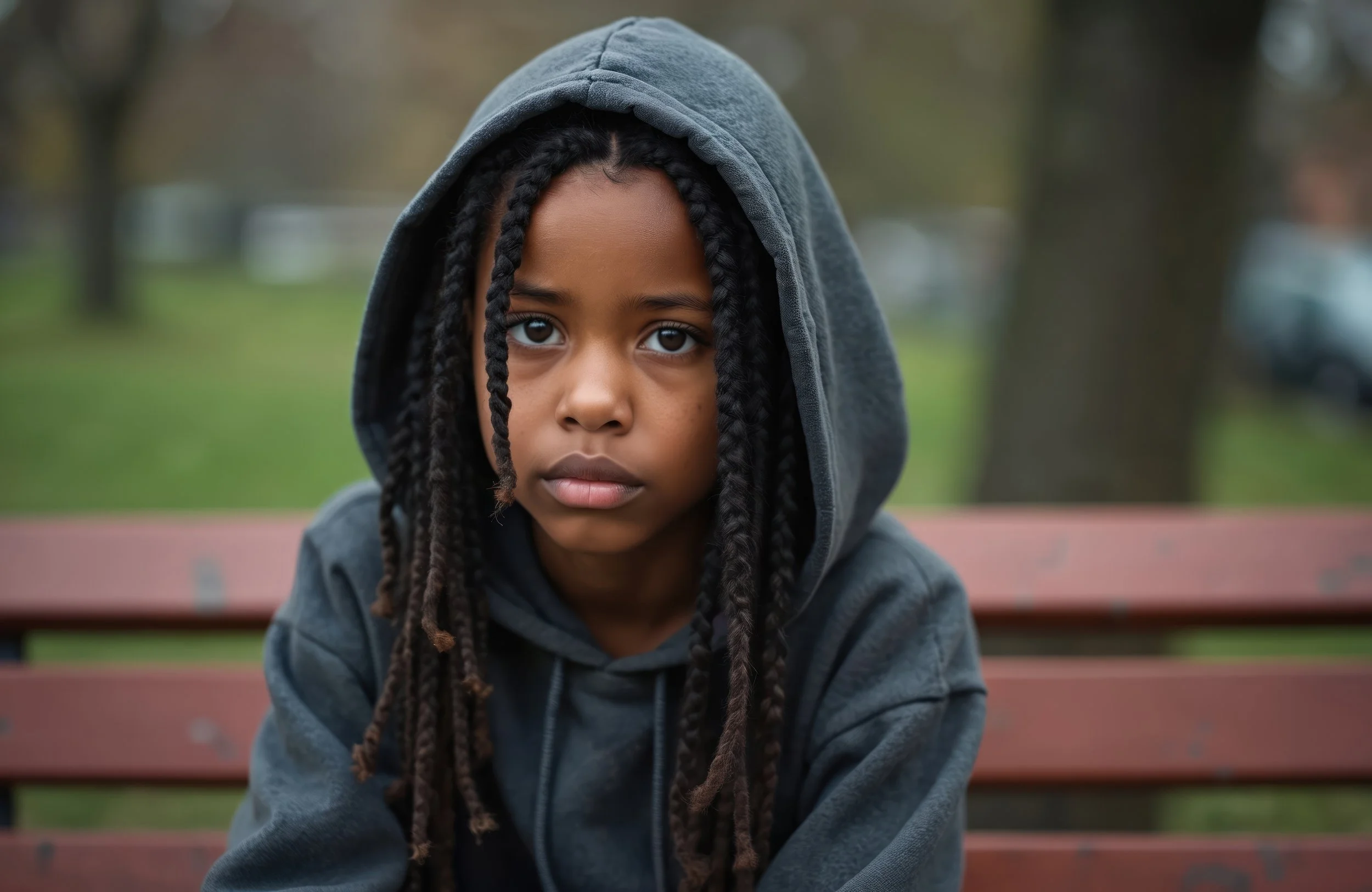
Parental incarceration is a widespread and frequently overlooked adverse childhood experience that profoundly affects millions of children's mental health, stability, and development.
They may feel confused, guilty and even responsible for their parent’s incarceration, according to child grief expert David Schonfeld, a developmental-behavioral pediatrician, director of the National Center for School Crisis and Bereavement and professor of practice at the USC Suzanne Dworak-Peck School of Social Work. “Our penal system is focused on both rehabilitating and punishing incarcerated individuals. The problem is if we don’t help them maintain connections with family, it makes it less likely they will return to a parenting role, and that punishes the child, too. This compounds the child’s feelings of guilt and responsibility.”
The majority of children with incarcerated parents do not receive the much-needed support and mental healthcare necessary for this degree of trauma. While enduring this turmoil, they are often subjected to ridicule and bullying from their peers and judgement from the community. Most teachers aren’t trained to deal with such trauma, but this deserves consideration, due to the numbers of children affected in the United States.

Advocate for the Children
David J. Schonfeld, M.D. and the National Center for School Crisis and Bereavement have partnered with New York Life Foundation to form The Coalition to Support Grieving Students, which offers practitioner-oriented information, insights and practical advice designed to help educators and school personnel work with grieving children. Free videos and learning modules are available for download available on their website. The site provides a wealth of information for teachers as well as other family members with guidance on various topics, such as things you should not say to a child experiencing a loss, how to get them to open up, how to answer the questions you can’t answer. This organization covers numerous types of trauma, including school shootings, death of a parent or close family member, suicide, domestic violence, and parental incarceration.
“Children with incarcerated parents can feel confused, guilty and even responsible for their parent’s incarceration,” said child grief expert David Schonfeld, a developmental-behavioral pediatrician, director of the National Center for School Crisis and Bereavement and professor of practice at the USC Suzanne Dworak-Peck School of Social Work. “Our penal system is focused on both rehabilitating and punishing incarcerated individuals. The problem is if we don’t help them maintain connections with family, it makes it less likely they will return to a parenting role, and that punishes the child, too. This compounds the child’s feelings of guilt and responsibility.”
“These kids are experiencing enduring, insidious trauma while their parents are in prison,” he said. “They are often subjected to ridicule and bullying as a result of having an incarcerated parent. Kids don’t want to talk about it, people don’t know about it, and as a result, education folks aren’t always sensitive to the trauma. Most teachers haven’t had any training or information about how to understand these particular children, and more needs to be done for them.”