Born in Prison
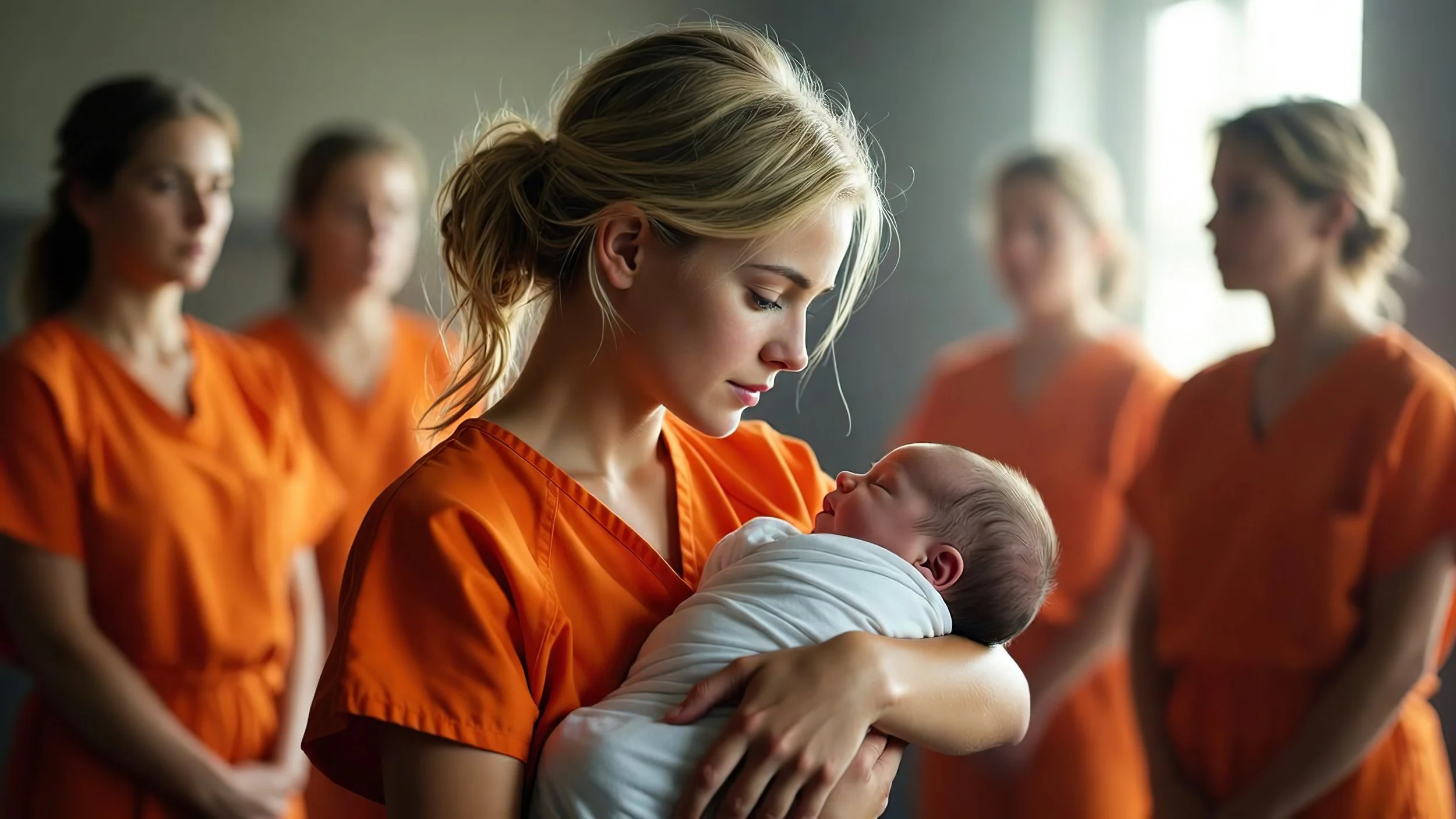
Annually, approximentally 2000 babies are born to incarcerated mothers in the United States. Of the total prison population in the US, 219,000 are female, and approximately 25% are either pregnant or have a child under one year. When a woman gives birth in prison, the baby is removed within 48 hours of delivery. The inmate is returned to her housing unit, without her baby. Plans are made in advance for childcare, and it usually creates a hardship for the extended family. This is unnatural and will potentially leave significant mental health concerns on the mother, not to mention creating a lifetime of trauma for the child.
“My name is Sammie, and I was born in prison.”
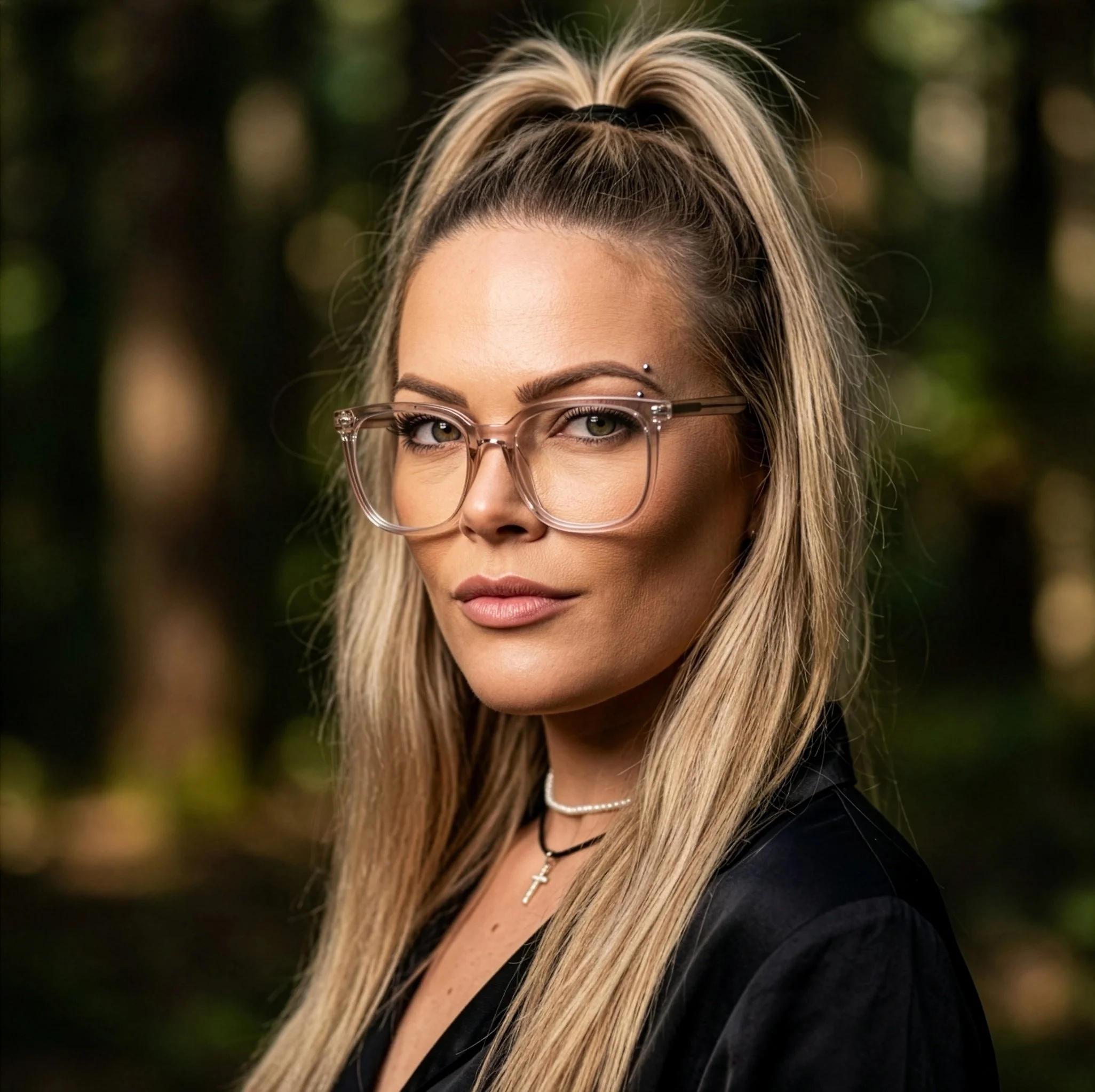

Some find it hard to believe, but as a little girl, realizing you were born in prison and your mother is still in there—Well, that’s a little bit too REAL. After my unconventional birth, I was whisked away, while my mother remained incarcerated for almost 8 years.
During those formative years without my mother, I became really angry inside. I remained hateful and unreceptive to her, even after she was finally released, when I was 7 years old.
Thinking back, I wonder why I was so resistant for so long, because when I was 16, I left that door cracked open to consider letting her in. I am not sure why I finally softened, after years and years of rejection. She had tried anything and everything to build a relationship with me, but I shut her out.
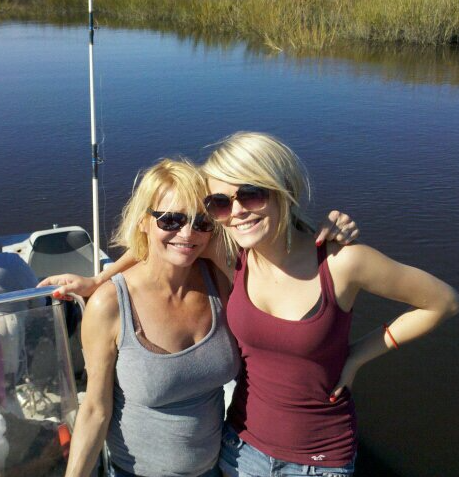
Mystical~~Magical—as a teenager, our relationship bloomed and blossomed into one that I truly cherished. In fact, she became my best friend and my biggest fan. Up until this shift, I would have honestly said, there is nobody in this world that has ever actually loved me. But she just loved being in my presence, and I just loved her being in my daily life.
She also had my back, harder than anyone ever could. But it was probably more than she should have, because I found myself in trouble with the law. She still had my back, because she understood. After all, the apple doesn’t fall far from the tree. At the age of 20, my addiction was in full swing, along with some other questionable behaviors that I used to survive. Inevitably, this eventually landed me in prison; right back where my life had begun.
As fate would have it, my beloved mother passed away, while I was incarcerated. I loved her SO much…and miss her so much too.
Sammie Schmal • Dallas, Texas
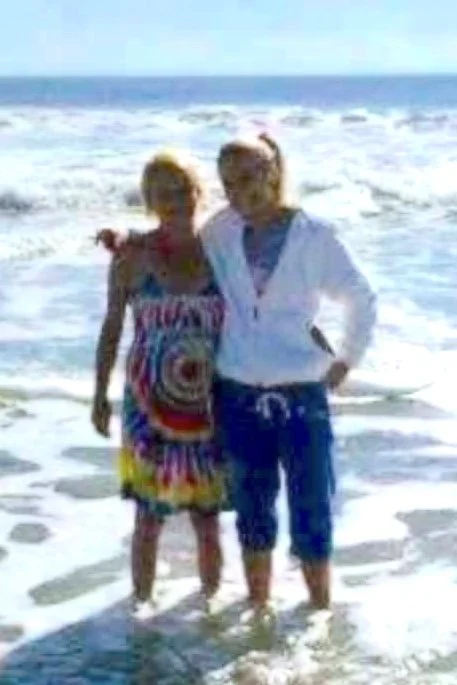
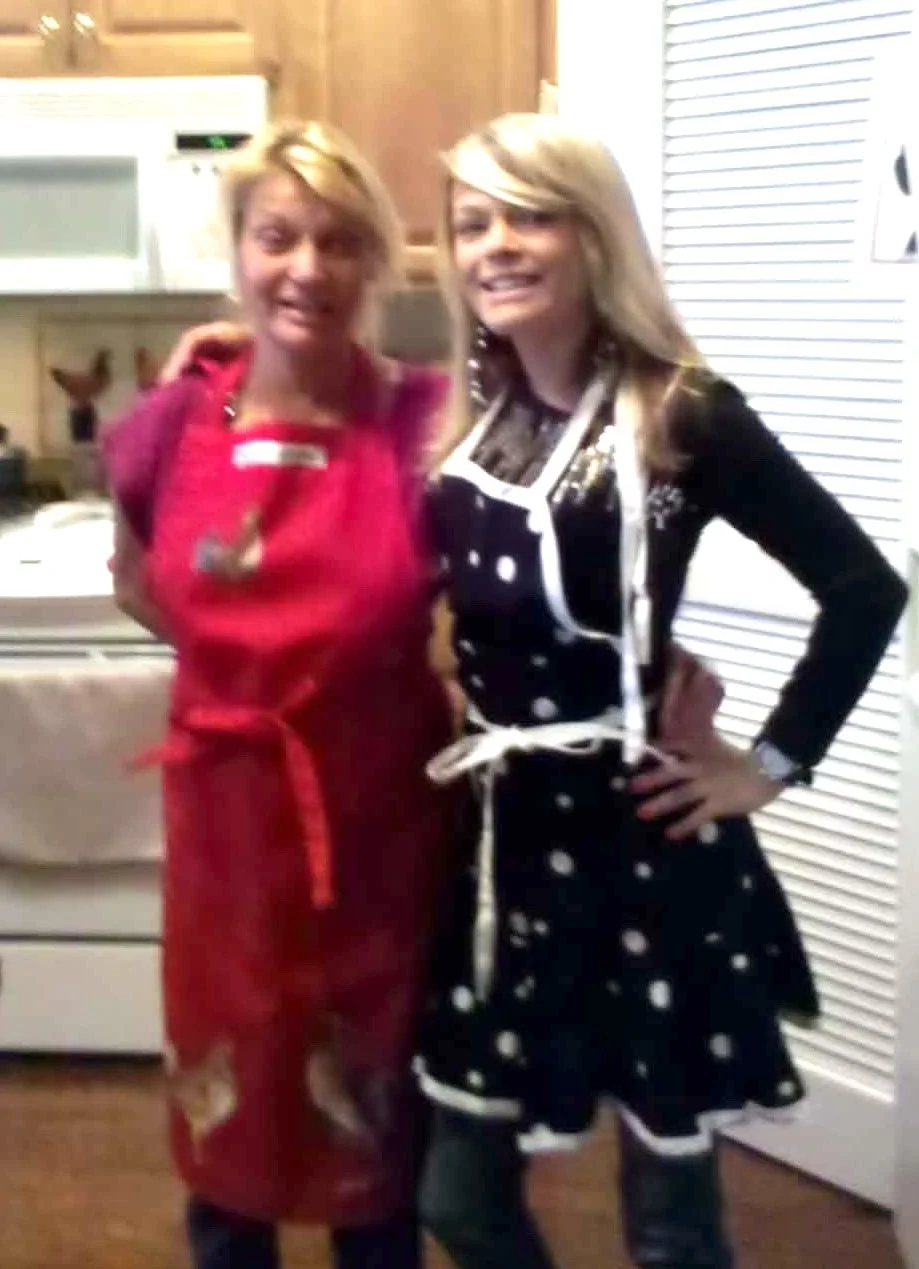
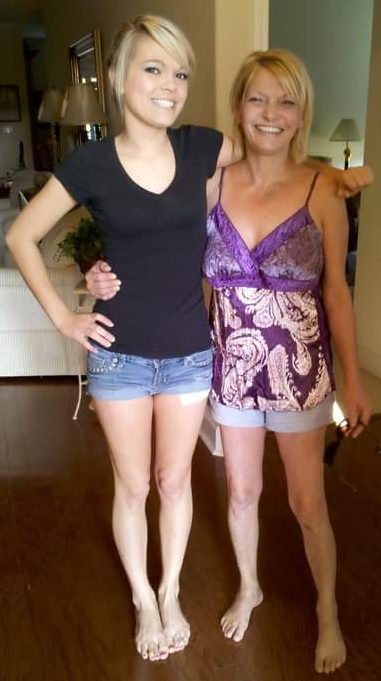
This video is a compelling documentary called Mothers in Prison Children in Crisis.
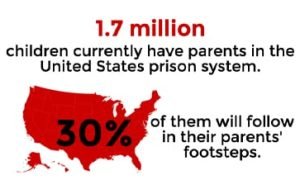
The criminal justice system in the United States is a failure. Prison does not rehabilitate, and the judges only try to understand. So many states have harsh sentencing over non-violent crimes that are really a product of substance abuse disorder and/or mental illness. Dire consequences occur when these issues are never properly addressed. Addiction is not a crime, it is a chronic illness, a mental condition that plagues our society like nothing else. Yet most people in prison today are not only addicts, but their offense was a direct result of their addiction. Hence, America has the highest rate of incarceration in the world. Now “mass incarceration” has become a topic. Instead of treating individuals suffering from a mental condition, we lock them all up, leaving children without their mother or father.
Alternatives must be explored. In recent years, the courts have begun to offer various programs, such as drug court, which is most often called “a set up for failure”. Some do manage to complete it, but the monster of addiction is cunning, baffling and powerful. It is extremely difficult to break anything prone to cycle, which is why there is a high rate of recidivism in prisons. Unfortunately, addiction and incarceration have both been seen from one generation to the next.
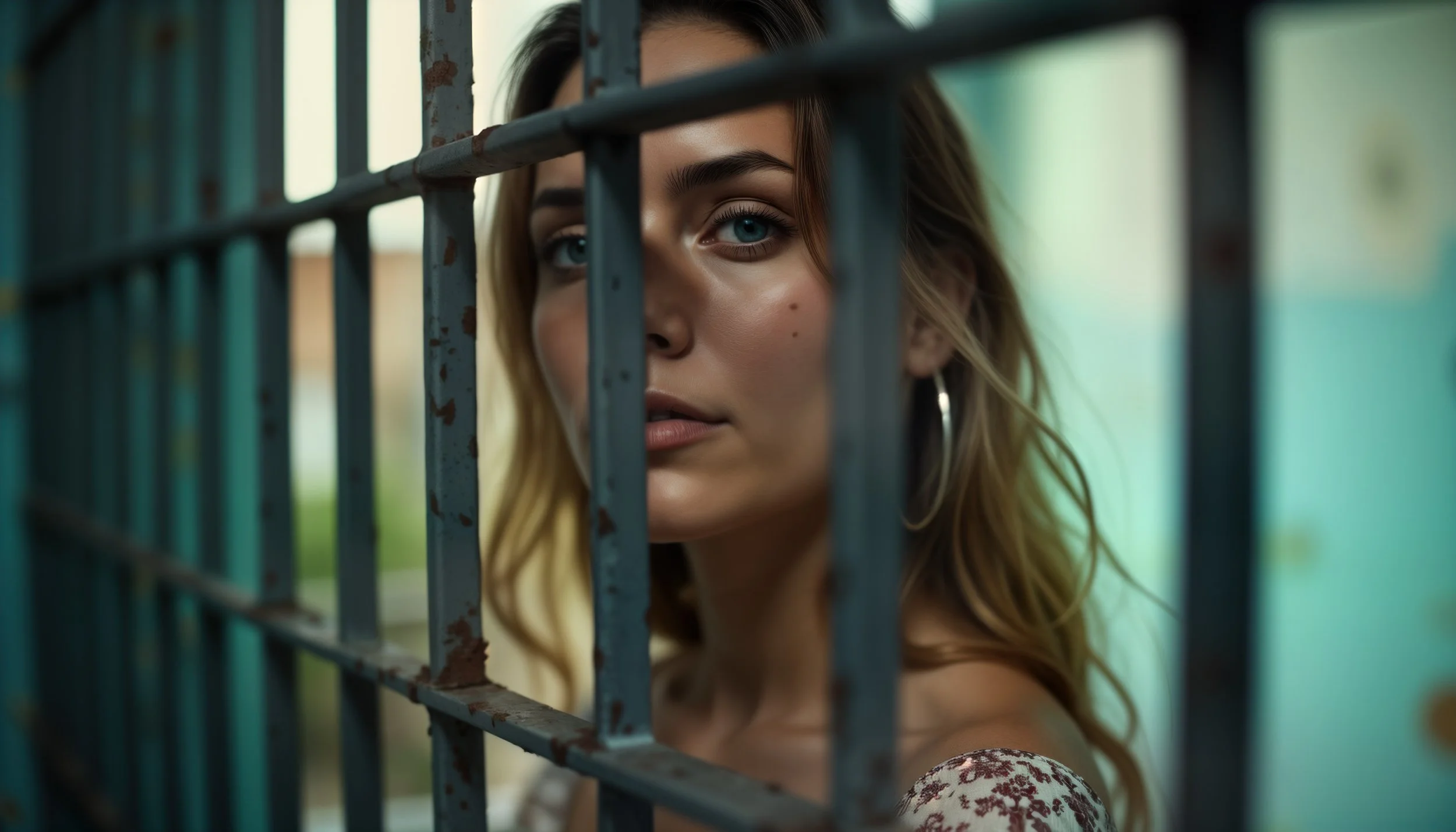
Perhaps we could break the cycle by transforming the criminal justice system, but the country is too divided to invest in evidence-based solutions that help communities thrive. Most of America prefers to divide and bicker, rather than arrive at an actual solution.
Change is a process. It doesn’t happen overnight. It happens one day at a time and one kid at a time.
STAND A CHANCE is dedicated to changing one life at a time by providing a college education and backing that up with continued support and encouragements.
Make a commitment today. Fund a Future. Bring about positive changes in someone that otherwise did not STAND A CHANCE.