

GRANT PROPOSAL FOR CONGRESS ?
FUNDING AVAILABLE
❋ Second Chance Act Grants
As of February 2026, the OFFI has released grant opportunities for 2025/2026 to address the needs of incarcerated parents and their minor children to reduce recidivism and support child development.
❋ Title IV-B Fundin
Congress renewed and increased Title IV-B funding in January 2025, which provides flexible funds for child welfare, including supporting relationships between incarcerated parents and their children.
❋ Existing Support:
Programs like the Prison Fellowship's First Chance Network received private funding, such as $1.25 million from the Walmart Foundation.
The Flourishing Children of Incarcerated Parent was a $500 million much needed grant program, designed to use policy and public programs to comprehensively support these children. Congress continues to push it aside and fund similar existing initiatives that help, but they do not address the specific issues at hand. space, and time to simply be.
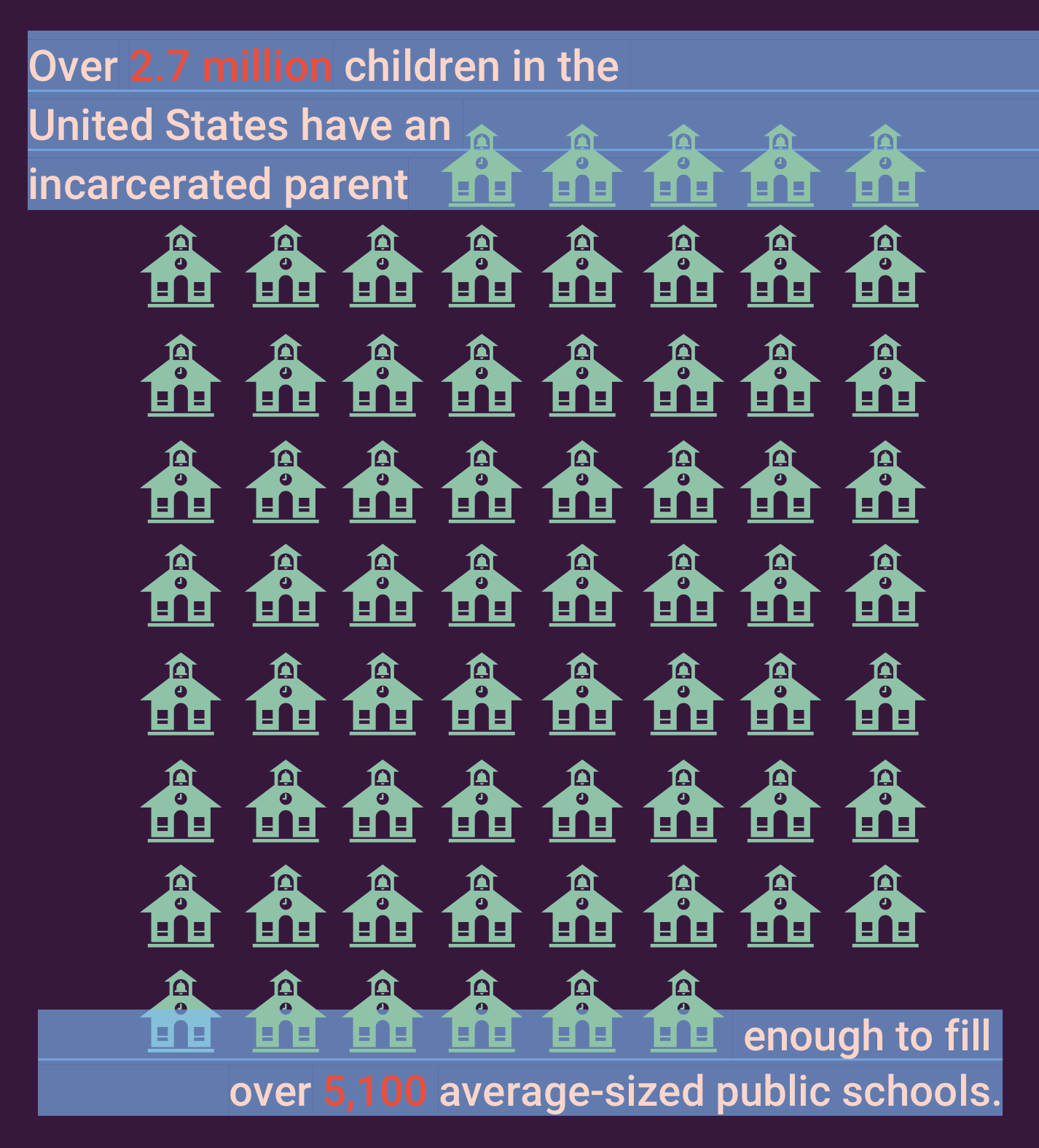
Mass Incarceration Not a New Problem
It has been a consistent issue since the 1980s, when the war on drugs rose and resulted in the mass incarceration of Black and Brown communities. Since then, several generations of parents have had to parent from behind cell doors. Even as both Democrats and Republicans have tried to reduce mass incarceration, too often there has been inadequate focus on the children who are left behind when a parent is incarcerated, and the myriad ways the prison system impacts them.
Parental Incarceration a Lifetime of Struggles
Kids of incarcerated parents face critical systemic barriers in the areas of education, housing, mental/physical health, financial hardship, and changing caregivers (including through the foster care system). These children are failed by government across many different sectors and areas of their lives; moreover, government created their negative circumstances, and only coordinated and comprehensive government action can address this.